Enterprise Website Redesign
- Project Manager, UX/UI Designer, Front-end & HubSpot Developer
-
- HubL
- CSS
- JS
- XD
- SEO
- WCAG
Solution
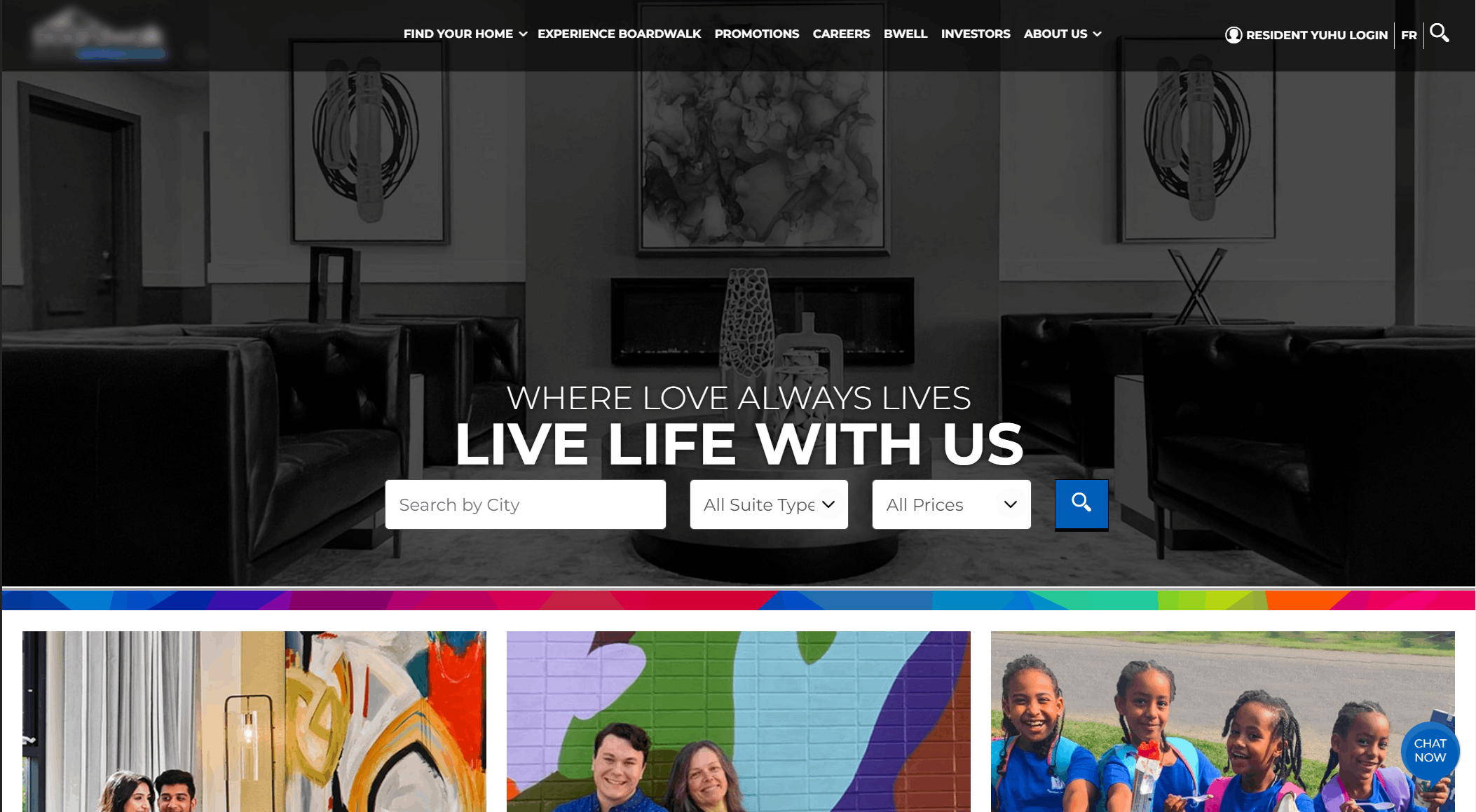
Modernized a high-traffic enterprise website migrating from Umbraco to HubSpot CMS.
Impact
- Migrated a high‑traffic enterprise website
- Reduced technical debt from legacy Razor templates
- Enabled marketing teams to build pages without developer support
- Introduced modular component architecture for scalable content management
- Improved maintainability, accessibility, and front‑end performance
Context
The legacy website was built on Umbraco CMS using Razor-based .NET MVC templates. Over time the system accumulated architectural complexity and limitations that slowed development and restricted marketing flexibility.
Because the site received approximately 15,000 daily views, any migration required careful execution to avoid SEO loss, analytics disruption, or performance regression.
The Problem
The existing platform created several operational challenges:
- Templates tightly coupled to presentation logic
- Design tokens inconsistently implemented across components
- Layout-specific components limiting content reuse
- Legacy browser support restricting modern CSS usage
- Marketing teams dependent on developers for page layout updates
The system functioned, but it was increasingly rigid and difficult to scale.
The Goal
The objective was to migrate the site to HubSpot CMS and create a flexible architecture that would:
- Preserve search engine equity
- Modernize front-end architecture
- Improve maintainability and performance
- Enable marketing autonomy for page creation
- Remove legacy development constraints
Strategy
Rather than performing a direct database clone, the migration focused on rebuilding the architecture with a modular component system.
Key strategic decisions included:
- Migrating blog content into HubSpot
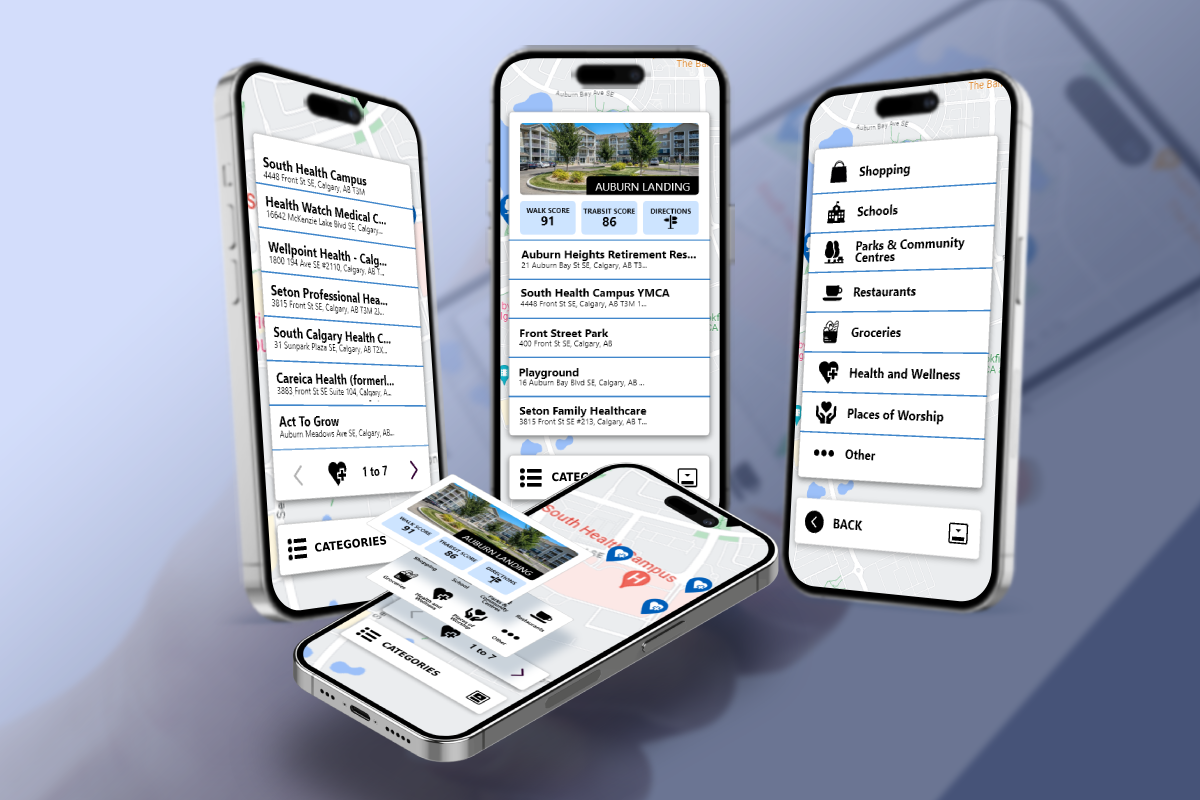
- Delivering product content through a REST API
- Rebuilding page structures using modular templates
- Recreating remaining content directly within the new CMS
This approach allowed the platform to be modernized while preserving critical SEO value.
Solution
A fully custom HubSpot CMS theme was developed using a local development workflow and selective CLI tooling.
Component Architecture
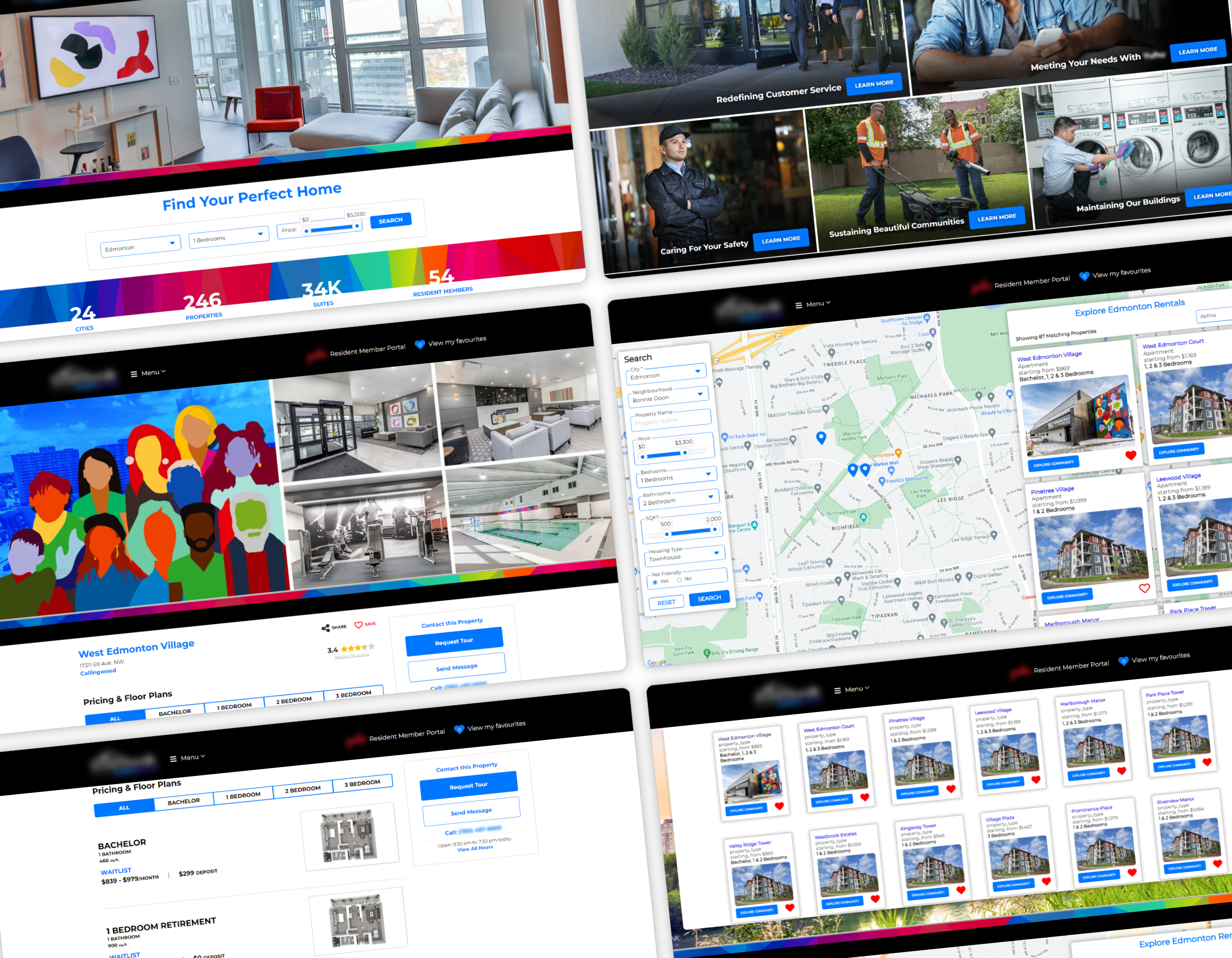
- 10 custom templates
- 20+ modular content modules
- Consistent design token implementation
- Content-driven components instead of layout-specific blocks
Dynamic Content
- HubDB-powered dynamic pages
- REST API integration for product data
- Custom search templates
- Configurable blog structure
Analytics & Tracking
- Google Analytics 4
- Google Tag Manager
- HubSpot tracking scripts
- Custom event tracking via DataLayer
This architecture created a scalable foundation for future content growth.
My Contribution
Within a small marketing support team, I served as the primary contributor responsible for:
- UX and front-end architecture planning
- HubSpot theme and module development
- API integrations
- Redirect mapping and SEO preservation
- Analytics configuration
- CMS enablement for marketing teams